Managing Cancer Pain
NURA PRECISION PAIN MANAGEMENT
For more information about the author, click to view their website: Nura Pain Clinics
May 05, 2023
Minnesota - Twin Cities Metro Area

Email US
Click to Email Us
Pain symptoms experienced by those with cancer pain vary from person to person and can range from mild to severe chronic pain. Nura offers several treatment options to manage cancer pain and we coordinate with your oncologist to ensure you have the best care.
Causes of Cancer Pain
Cancer may cause pain by applying pressure to or destroying biological structures such as nerves, organs and bones. Cancer can spread from its original site (primary tumor) and travel to other parts of the body (metastasis), causing injury and pain at these sites as well.
Pain may also result from cancer treatments like chemotherapy and radiation, which can damage nerves and cause nerve pain in the arms and legs. Patients recovering from cancer surgery frequently experience acute postoperative pain as surgical wounds heal. Aggressive surgery may cause more painful damage; this pain may resolve with healing or it may become chronic.
Common pain problems associated with cancer and cancer treatment:
Peripheral neuropathy — numbness and painful sensations in the feet, legs, fingers, hands and arms from chemotherapy
Post-radiation nerve pain
Nerve pain from spinal metastasis
Bone and joint pain
Spinal pain from vertebral fractures
Abdominal and pelvic pain from abdominal cancers
Persistent pain after cancer surgery
If you are experiencing pain from cancer or cancer treatments, please call Nura today and our team of top pain specialists will develop a pain management solution specifically for your needs.
Treating Cancer Pain
Although cancer-related pain cannot always be relieved completely, a comprehensive plan can reduce pain for nearly all people with cancer, relieving symptoms and improving quality of life.
In many cases, cancer pain can be adequately treated with standard pain medications, which may include opioids. However, side effects — including nausea, fatigue, mental fogginess and the inability to think clearly — may limit the effectiveness of pain medication in some patients.
At Nura, we diagnose and treat the physical side of cancer pain with a thorough evaluation and precise, minimally invasive procedures. If pain persists despite treatment, we utilize advanced neuromodulation techniques including trials and implants of neurostimulation systems and targeted drug delivery pain pumps for the most severe pain. These pain control options may serve as alternatives to higher doses of pain medications.
Cancer Pain Treatment Options:
Peripheral Nerve Block
Celiac Plexus Nerve Block
Lumbar Sympathetic Nerve Block
Hypogastric Plexus Nerve Block
Neurostimulation systems to treat nerve pain
Pain Pump for Targeted Spinal Drug Delivery
In addition, if you experience emotional suffering due to cancer, we have specialized psychologists on staff to help with the emotional toll that a cancer diagnosis can take.
Our experience has shown that most cancer pain can be managed with conservative treatment, but when pain persists, the most advanced treatment options are available within our clinic. As a national center of excellence for implantable pain control, Nura is ready to help with even the most severe cancer pain.
To schedule an appointment, call 763-537-6000. We will coordinate with your oncologist to ensure you have the best care. Or your oncologist can also refer you directly to Nura Pain Clinics.

- To view the original version of this article visit www.nuraclinics.com/conditions/cancer-pain/
- Seniors Blue Book was not involved in the creation of this content.
Other Articles You May Like
When Care Needs Change, Starting Over Shouldn't Be Necessary
Aging rarely follows a predictable path. Learn how CareAparent helps Minnesota seniors remain at home with personal care, skilled nursing, therapy and support that evolves as care needs change.One month, an older adult may be living completely independently. Later, they may need a little help around the house, assistance after a hospital stay, physical therapy to regain strength, medication management or more advanced nursing support.For families, each change can bring another round of questions.Who should we call? What kind of care does Mom need now? Will we need to find another provider? Who will coordinate everything?Those questions can become especially stressful when a family is already dealing with a hospitalization, illness or sudden change in a loved one's abilities.That's why having a care provider that can adapt as needs change can make such a difference.For more than 10 years, CareAparent has helped Minnesota seniors and their families receive personalized care in the place many older adults most want to remaintheir own home. Today, CareAparent provides a continuum of in-home services throughout the seven-county Twin Cities metro area. CareAparentIt May Start With Just a Little HelpSometimes the first sign that an aging parent needs assistance is subtle.Maybe Dad isn't keeping up with housekeeping like he once did. Mom may be having difficulty getting dressed or safely taking a shower. Meals aren't being prepared regularly, medications are becoming confusing, or an adult child is spending more and more time helping with everyday tasks.That doesn't necessarily mean an older adult can no longer live independently.The right support can help make independence possible for longer.CareAparent provides personal care that can include assistance with bathing, dressing and grooming, as well as light housekeeping, laundry and medication reminders. Care can be customized based on the individual's needs rather than forcing the person into a predetermined schedule or level of service. CareAparentFor families, that flexibility matters.The goal isn't to take over someone's life. It's to provide enough assistance so the person can continue participating in it.Then Something ChangesA fall occurs.There's a hospital stay.A chronic condition becomes more difficult to manage.An older adult needs help recovering from surgery.Suddenly, the type of support that worked six months ago may no longer be enough.This is where continuity of care becomes particularly important.Instead of requiring a family to begin searching for an entirely different organization, CareAparent can provide skilled services through licensed medical professionals, including skilled nursing, medication management, wound care, physical therapy and occupational therapy. CareAparentThat allows care to evolve along with the person.Coming Home From the Hospital Can Be a Vulnerable TimeDischarge day can feel like a victoryand it is.But getting home doesn't necessarily mean the recovery is finished.There may be new medications to manage, mobility limitations, wounds requiring attention, exercises to complete or everyday activities that suddenly feel more difficult.Family members may receive discharge instructions but still wonder how they're going to manage everything once their loved one gets home.CareAparent specifically works with individuals transitioning home from hospitals, rehabilitation centers and other acute-care settings. Its skilled services are designed to support recovery and continuity of care in the home. CareAparentFor an older adult, recovering in familiar surroundings can also mean sleeping in their own bed, following familiar routines and remaining close to the people and things that bring comfort.Therapy Can Help Restore IndependencePhysical and occupational therapy aren't simply about completing exercises.They can be important tools for maintaining independence.Physical therapists can work with older adults experiencing pain, injury, illness or age-related declines in mobility. Treatment can address strength, balance, endurance and safer movement.Occupational therapists look at everyday functionhelping individuals find safer and more effective ways to accomplish the activities that are important in daily life.Together, those services can help an older adult work toward a very meaningful goal:Doing more for themselves. CareAparentFamilies Need Support TooWhen someone needs care, the impact extends beyond that individual.Spouses and adult children frequently become caregivers themselvescoordinating appointments, checking medications, helping with meals, managing household responsibilities and worrying about what happens when they aren't there.Over time, those responsibilities can become overwhelming.Professional in-home care can provide something important for both generations.The older adult receives personalized assistance.The family gets to spend more time being family.That distinction matters.A daughter shouldn't always have to be the nurse, housekeeper or care coordinator. A spouse shouldn't have to handle every caregiving responsibility alone.Having trusted support can make the entire family's situation more manageable.Specialized Support for Minnesota VeteransVeterans and their families may also have access to services they don't realize are available.CareAparent serves veterans throughout the seven-county Twin Cities metro as a Home Health Community Provider. Depending upon eligibility and authorization, VA-supported services can include skilled nursing, therapy, respite care, homemaking and home health aide assistance. CareAparentFor families of veterans, understanding available benefits can be an important part of developing a long-term care plan.One Relationship as Needs EvolvePerhaps one of the most reassuring things a family can hear is:You don't have to figure out the next step alone.CareAparent's model is designed around continuity. Personal care, skilled nursing, therapy and additional support can work together so that when circumstances change, the care plan can change too. CareAparentThat can mean fewer unfamiliar faces, fewer transitions between organizations and less time for families spent searching for the next provider.Instead, there is one relationship and a care team that already understands the individual.Aging at Home Should Still Feel Like HomeUltimately, home care isn't simply about completing tasks.It's about helping someone continue living a life that feels familiar and meaningful.It's having coffee in your own kitchen.Sleeping in your own bed.Seeing neighbors you recognize.Following your own schedule.Having family visit without visiting hours.And continuing to make choices about how you live your day.CareAparent describes its approach as combining clinical care with hospitality and personalized attention. The organization has served Minnesota families for more than a decade and provides care throughout Anoka, Carver, Dakota, Hennepin, Ramsey, Scott and Washington counties. CareAparentAs needs change, the answer doesn't always have to be changing where someone lives.Sometimes, the answer is bringing the right care to where they already call home. Learn more about CareAparent's personalized in-home care services and find resources to help your family navigate changing care needs. Call us at 651-702-HOME (4663) or visit our website at www.careaparent.com
Helping Aging Parents Stay Safely at Home
Discover how TruBlue Home Service Ally helps Minnesota families make aging parents' homes safer, easier to maintain and better suited for independent living. For many adult children, there comes a time when visiting Mom or Dad feels a little different.Maybe you notice a loose railing that hasn't been repaired. A lightbulb has been out for months because it's too difficult to reach. The bathroom could use a grab bar, the front steps are becoming harder to navigate, or the list of small home repairs seems to be getting longer.Individually, these things may not seem significant. Together, however, they can be signs that maintaining the home is becoming more difficult.For families who want to help an aging parent remain independent, one of the most important places to start is the home itself.The Home May Need to Change as We AgeA house that worked perfectly at age 50 may present very different challenges at 75 or 80.Stairs become more difficult. Reaching overhead becomes risky. Carrying items while navigating steps can be harder. Bathrooms may lack adequate support, and outdoor maintenance that was once routine can become physically demanding.That doesn't necessarily mean it's time to move.Often, relatively modest changes can make the home easier and safer to navigate while allowing an older adult to maintain the independence they value.For families in Plymouth, Maple Grove and surrounding communities, TruBlue Home Service Ally helps identify and address many of these everyday home concerns. TruBlue's services include home safety assessments, repairs, maintenance and modifications designed to support older adults who want to continue living at home. mn.gov // Minnesota's State PortalStart by Looking at the Home Through New EyesAdult children often know their parents' homes almost as well as their own. That familiarity can actually make potential problems easier to overlook.Instead of simply visiting, walk through the home while thinking about how your parent's needs may have changed.Are stairs adequately lit? Are handrails secure? Is getting in and out of the shower becoming difficult? Are frequently used items stored where they can be reached safely? Are there loose flooring, cords or other potential tripping hazards? Are exterior steps, decks and walkways in good condition?TruBlue's senior home safety assessment takes a more systematic approach. Minnesota's aging-services directory describes the company's assessment as covering dozens of areas, including walkways, garage access and lighting, porches and decks, doors, slipping and tripping hazards, water temperature, stairs and railings. mn.gov // Minnesota's State PortalThe goal isn't to completely remodel a parent's home. It's to identify practical improvements that can make everyday activities easier and safer.Don't Let the Small Repair List Keep GrowingOne of the biggest challenges for aging homeowners isn't necessarily a major renovation.It's the little things.A sticking door. A loose cabinet handle. A damaged step. A dripping faucet. A railing that wiggles. A light fixture that needs attention. Seasonal maintenance that keeps getting postponed.For an adult child, those tasks can quickly turn into another weekend "to-do" listespecially when you're also balancing your own home, career, children and other responsibilities.This is where having a trusted home service professional can make a significant difference.Rather than waiting until small problems become larger ones, families can have repairs and maintenance handled proactively.Home Safety Is About Independence, Not Just RepairsA grab bar isn't simply a piece of hardware.A sturdy railing isn't simply a home improvement.For an older adult, these improvements can provide confidence.Being able to move around the home comfortably, use the bathroom more safely, enter and exit the house with greater ease and keep the property maintained can all contribute to a person's ability to remain independent.That distinction is important.Aging-in-place improvements aren't about making a home look "medical." They're about adapting the environment so it continues to work for the person who lives there.Give Adult Children Peace of Mind, TooSupporting an aging parent from across townor across the countrycan be stressful.Adult children may wonder whether the house is being maintained, whether something needs repair or whether their parent is attempting projects that are no longer safe for them to tackle.Having a reliable local resource can relieve some of that pressure.TruBlue's approach combines handyman services, senior home modifications, home safety and ongoing maintenance. The Plymouth and Maple Grove operation describes its role as helping homeowners maintain their homes through different stages of life. LinkedInThat can allow adult children to spend less time worrying about the house and more time simply being a son or daughter.Have the Conversation Before There's a CrisisFamilies sometimes wait until after a fall, hospitalization or other major event before evaluating the home.A better approach is to start earlier.Ask your parent what has become difficult around the house. Walk through the home together. Talk about the chores they no longer enjoy or feel comfortable doing. Look for simple changes that could make daily life easier.Most importantly, involve your parent in the decisions.Aging in place works best when older adults feel that changes are helping them maintain control and independence, rather than taking those things away.A Trusted Home Ally Can Make a DifferenceHelping a parent remain at home doesn't have to mean doing everything yourself.For families throughout Plymouth, Maple Grove and surrounding Twin Cities communities, TruBlue Home Service Ally provides professional home repairs, maintenance, home safety assessments and senior-focused modifications that can help make aging at home more manageable. mn.gov // Minnesota's State PortalSometimes the best way to help Mom or Dad remain independent isn't a major life change.It may simply begin by making sure the home they love continues to work for them. Learn more about TruBlue Home Service Ally Plymouth & Maple Grove through their Seniors Blue Book profile, or contact their team at 763-400-3748 to discuss home safety, maintenance or aging-in-place needs.
Better Balance Can Help Minnesota Seniors Stay Independent
Discover how FYZICAL Therapy & Balance Centers can help Minnesota seniors improve balance, mobility and confidence with six Twin Cities locations.For many Minnesota seniors, independence is measured in everyday moments: walking confidently to the mailbox, shopping for groceries, getting together with friends, climbing the stairs, gardening, or simply moving around the house without worrying about falling.When balance begins to change, those ordinary activities can suddenly feel more difficult. A person may start reaching for furniture when walking across a room, avoiding stairs, turning down activities, or feeling nervous when navigating snow and ice.But balance problems should not automatically be accepted as a normal part of getting older. In many cases, physical therapy and specialized balance training can help older adults improve strength, stability, mobility and confidence.FYZICAL Therapy & Balance Centers focuses on physical therapy as well as balance, gait, fall-prevention and vestibular rehabilitation. FYZICAL's balance programs evaluate factors that can contribute to instability and develop individualized treatment plans designed to help people move more safely and confidently. FyzicalFor Twin Cities-area families, FYZICAL has convenient locations in White Bear Lake, Edina, Woodbury, Inver Grove Heights, Apple Valley and Lakeville.Why Does Balance Sometimes Change With Age?Good balance is more complicated than simply having strong legs.The body relies on information from several systems working together, including vision, the inner ear, muscles, joints, nerves and the brain. FYZICAL explains that gait and balance are closely connected and that problems involving strength, posture, reflexes or sensory systems can affect the way someone walks and feels while moving. FyzicalThat's one reason balance problems can look different from person to person.One person may experience dizziness when standing up or turning quickly. Another may notice that walking on uneven ground has become difficult. Someone else may feel fine inside the house but become uncomfortable walking through a parking lot or across Minnesota's snowy or icy sidewalks.These changes deserve attentionespecially when they begin interfering with normal activities.Watch for the Early Signs of Balance ProblemsA fall isn't necessarily the first indication that something has changed.Earlier warning signs can include feeling unsteady when walking, frequently grabbing walls or furniture for support, difficulty getting up from a chair, trouble navigating stairs, dizziness or vertigo, taking shorter or slower steps, or becoming increasingly afraid of falling.Sometimes the biggest change is behavioral.A person who once enjoyed shopping, attending church, visiting friends or going for walks may gradually stop participating because they don't feel confident on their feet.That loss of confidence can affect much more than mobility. It can begin to affect independence and quality of life.How Balance Therapy Can HelpBalance therapy begins by determining why someone is having difficulty.A physical therapist may evaluate walking patterns, strength, posture, flexibility, coordination and balance. When dizziness or vertigo is involved, the vestibular system may also need to be evaluated.FYZICAL's balance and gait programs can include assessment and evaluation, gait training, balance retraining, fall-prevention strategies, functional training and vestibular rehabilitation. Treatment depends on the individual's condition and goals, and services can vary by location. FyzicalThe goal isn't simply to perform exercises in a clinic.The larger goal is helping people function better in everyday life.That might mean being able to walk across the yard, get out of a chair more easily, navigate a busy store, attend a grandchild's event, travel, or simply feel more secure moving around the house.Strength and Balance Work TogetherMuscle strength plays an important role in stability.Weakness in the legs, hips and core can make recovering from a stumble more difficult. Physical therapy can incorporate exercises designed to improve strength, flexibility, posture and coordination while also addressing walking patterns.Balance exercises may progress as a person's abilities improve.For someone who has become fearful of falling, being able to practice in a supervised environment can also help rebuild confidence.The FYZICAL locations in White Bear Lake, Edina and Woodbury, for example, emphasize balance and vestibular-focused physical therapy in addition to orthopedic rehabilitation. The Inver Grove Heights and Apple Valley locations similarly offer balance, gait and fall-risk services. Dizziness and Vertigo Can Affect Balance TooNot every balance problem originates with muscle weakness.The vestibular system, located in the inner ear, helps the brain understand where the head and body are positioned in space. When that system isn't functioning properly, a person may experience dizziness, vertigo, motion sensitivity or unsteadiness.Vestibular rehabilitation is a specialized form of therapy intended to address these types of problems. Depending on the underlying condition, therapy may include balance retraining and exercises that help improve coordination between vision, movement and the vestibular system. FyzicalFor an older adult who has been limiting activities because of dizziness or fear of falling, identifying the source of the problem can be an important first step.Staying Independent Means Staying EngagedOne of the most important benefits of better mobility isn't measured in repetitions or test scores.It's measured in life.It's having the confidence to meet a friend for lunch.It's walking into a grandchild's school concert.It's continuing to live in the home you love.It's feeling comfortable going to the grocery store or taking the dog for a walk.And in Minnesota, it can mean feeling better prepared for the additional challenges that winter weather brings.Maintaining independence isn't about doing everything exactly as you did decades ago. It's about preserving the ability and confidence to continue doing the things that matter to you.Don't Wait for a Fall to Address Your BalanceSomeone doesn't have to experience a serious fall before talking with a healthcare professional about balance.If you or a family member has noticed increasing unsteadiness, dizziness, changes in walking, difficulty with stairs, or fear of falling, consider discussing those changes with a physician or physical therapist.Early attention may help identify areas that can be strengthened or improved.FYZICAL's approach emphasizes assessment and individualized treatment rather than assuming every balance problem has the same cause. FyzicalFind a FYZICAL Location Near YouMinnesota seniors and their families can connect with FYZICAL Therapy & Balance Centers in:White Bear Lake 2680 County Rd E East - (651) 504-2212Edina 5227 W 73rd Street - 952-207-2997Woodbury 670 Commerce Drive #130 - (651) 501-2010Inver Grove Heights 7751 Amana Trail #300 - 651-842-8100Apple Valley 15083 Flagstaff Avenue #A - 612-246-6900 Lakeville 17761 Kenwood Trail - 952-236-0415Contact the location most convenient for you to learn about available physical therapy, balance, gait, vestibular and fall-prevention services. Because FYZICAL locations are independently operated, specific services may vary by clinic. FyzicalBetter balance can mean more than steadier steps. It can mean greater confidence, greater freedom and more opportunities to remain active and independent.
Local Services By This Author
Nura Pain Clinic
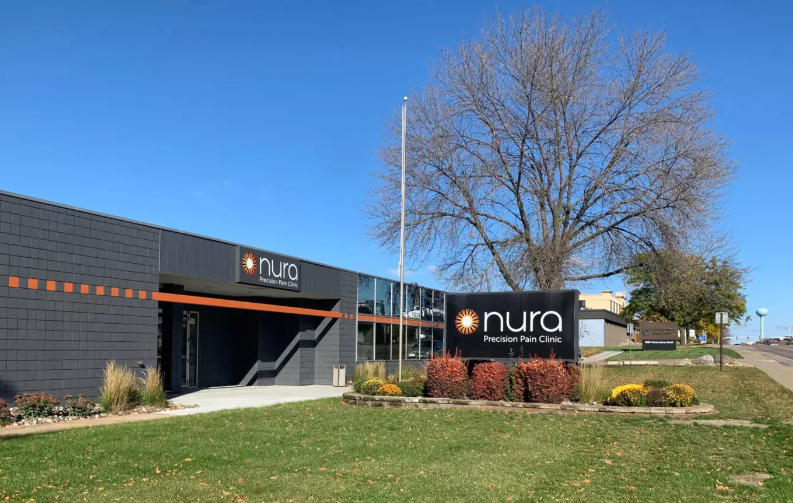
Spine & Joint Care 2104 Northdale Blvd NW, Ste 220, Coon Rapids, Minnesota, 55433Nura Pain Clinics: Redefining Pain Management with Compassion and ExpertiseIn a world where the specter of pain looms large for so many, Nura Pain Clinics emerges as a beacon of hope and healing, dedicated to transforming the landscape of pain management. Founded on the principles of compassion, expertise, and innovation, Nura is more than just a clinic; it's a sanctuary where individuals find solace, support, and solutions on their journey toward relief and recovery.A Sanctuary of Healing:Step into the tranquil embrace of Nura Pain Clinics, and you're immediately enveloped in an atmosphere of warmth and reassurance. The clinic's ambiance is carefully curated to soothe the senses, with soft lighting, calming colors, and the gentle murmur of flowing water creating a haven of tranquility amidst the chaos of everyday life. Here, amidst the hustle and bustle of modernity, individuals find respite from the burdens of pain, welcomed with open arms into a space where healing is not just a goal but a guiding principle.Expertise That Inspires Confidence:At the heart of Nura Pain Clinics lies a team of dedicated professionals, each a beacon of expertise and compassion in their respective fields. Led by renowned pain management specialists, the clinical staff at Nura brings together a wealth of knowledge, experience, and skill to bear on the complex challenges of pain. From board-certified physicians to highly trained nurse practitioners, physical therapists, and holistic wellness practitioners, every member of the Nura team is united by a singular purpose: to provide the highest standard of care with unwavering compassion and integrity.Comprehensive Care, Tailored Solutions:Pain is as diverse and multifaceted as the individuals who experience it, and at Nura Pain Clinics, the approach to treatment reflects this fundamental truth. Here, there are no one-size-fits-all solutions; instead, every patient receives a comprehensive evaluation and a personalized treatment plan tailored to their unique needs, goals, and circumstances. Whether managing acute pain, chronic conditions, or the complex interplay of physical and emotional distress, clients can expect compassionate care that addresses the root causes of pain while promoting holistic well-being.Innovative Techniques, Evidence-Based Practice:In the pursuit of pain relief, innovation is key, and Nura Pain Clinics stands at the forefront of the latest advancements in pain management. From cutting-edge procedures and minimally invasive interventions to evidence-based pharmacotherapy and integrative therapies, the clinic offers a comprehensive array of treatment options designed to alleviate pain, restore function, and improve quality of life. Yet, amidst this commitment to innovation, Nura remains grounded in the principles of evidence-based practice, ensuring that every treatment modality is rigorously evaluated for safety, efficacy, and long-term outcomes.

Nura Pain Clinic
Knee Pain Care 7400 France Ave S, Edina, Minnesota, 55435Nura Pain Clinics: Redefining Pain Management with Compassion and ExpertiseIn a world where the specter of pain looms large for so many, Nura Pain Clinics emerges as a beacon of hope and healing, dedicated to transforming the landscape of pain management. Founded on the principles of compassion, expertise, and innovation, Nura is more than just a clinic; it's a sanctuary where individuals find solace, support, and solutions on their journey toward relief and recovery.A Sanctuary of Healing:Step into the tranquil embrace of Nura Pain Clinics, and you're immediately enveloped in an atmosphere of warmth and reassurance. The clinic's ambiance is carefully curated to soothe the senses, with soft lighting, calming colors, and the gentle murmur of flowing water creating a haven of tranquility amidst the chaos of everyday life. Here, amidst the hustle and bustle of modernity, individuals find respite from the burdens of pain, welcomed with open arms into a space where healing is not just a goal but a guiding principle.Expertise That Inspires Confidence:At the heart of Nura Pain Clinics lies a team of dedicated professionals, each a beacon of expertise and compassion in their respective fields. Led by renowned pain management specialists, the clinical staff at Nura brings together a wealth of knowledge, experience, and skill to bear on the complex challenges of pain. From board-certified physicians to highly trained nurse practitioners, physical therapists, and holistic wellness practitioners, every member of the Nura team is united by a singular purpose: to provide the highest standard of care with unwavering compassion and integrity.Comprehensive Care, Tailored Solutions:Pain is as diverse and multifaceted as the individuals who experience it, and at Nura Pain Clinics, the approach to treatment reflects this fundamental truth. Here, there are no one-size-fits-all solutions; instead, every patient receives a comprehensive evaluation and a personalized treatment plan tailored to their unique needs, goals, and circumstances. Whether managing acute pain, chronic conditions, or the complex interplay of physical and emotional distress, clients can expect compassionate care that addresses the root causes of pain while promoting holistic well-being.Innovative Techniques, Evidence-Based Practice:In the pursuit of pain relief, innovation is key, and Nura Pain Clinics stands at the forefront of the latest advancements in pain management. From cutting-edge procedures and minimally invasive interventions to evidence-based pharmacotherapy and integrative therapies, the clinic offers a comprehensive array of treatment options designed to alleviate pain, restore function, and improve quality of life. Yet, amidst this commitment to innovation, Nura remains grounded in the principles of evidence-based practice, ensuring that every treatment modality is rigorously evaluated for safety, efficacy, and long-term outcomes.
Nura Pain Clinic
Pain Management 2104 Northdale Blvd NW, Ste 220, Coon Rapids, Minnesota, 55433Nura Pain Clinics: Redefining Pain Management with Compassion and ExpertiseIn a world where the specter of pain looms large for so many, Nura Pain Clinics emerges as a beacon of hope and healing, dedicated to transforming the landscape of pain management. Founded on the principles of compassion, expertise, and innovation, Nura is more than just a clinic; it's a sanctuary where individuals find solace, support, and solutions on their journey toward relief and recovery.A Sanctuary of Healing:Step into the tranquil embrace of Nura Pain Clinics, and you're immediately enveloped in an atmosphere of warmth and reassurance. The clinic's ambiance is carefully curated to soothe the senses, with soft lighting, calming colors, and the gentle murmur of flowing water creating a haven of tranquility amidst the chaos of everyday life. Here, amidst the hustle and bustle of modernity, individuals find respite from the burdens of pain, welcomed with open arms into a space where healing is not just a goal but a guiding principle.Expertise That Inspires Confidence:At the heart of Nura Pain Clinics lies a team of dedicated professionals, each a beacon of expertise and compassion in their respective fields. Led by renowned pain management specialists, the clinical staff at Nura brings together a wealth of knowledge, experience, and skill to bear on the complex challenges of pain. From board-certified physicians to highly trained nurse practitioners, physical therapists, and holistic wellness practitioners, every member of the Nura team is united by a singular purpose: to provide the highest standard of care with unwavering compassion and integrity.Comprehensive Care, Tailored Solutions:Pain is as diverse and multifaceted as the individuals who experience it, and at Nura Pain Clinics, the approach to treatment reflects this fundamental truth. Here, there are no one-size-fits-all solutions; instead, every patient receives a comprehensive evaluation and a personalized treatment plan tailored to their unique needs, goals, and circumstances. Whether managing acute pain, chronic conditions, or the complex interplay of physical and emotional distress, clients can expect compassionate care that addresses the root causes of pain while promoting holistic well-being.Innovative Techniques, Evidence-Based Practice:In the pursuit of pain relief, innovation is key, and Nura Pain Clinics stands at the forefront of the latest advancements in pain management. From cutting-edge procedures and minimally invasive interventions to evidence-based pharmacotherapy and integrative therapies, the clinic offers a comprehensive array of treatment options designed to alleviate pain, restore function, and improve quality of life. Yet, amidst this commitment to innovation, Nura remains grounded in the principles of evidence-based practice, ensuring that every treatment modality is rigorously evaluated for safety, efficacy, and long-term outcomes.